The 50 / 25 / 25 Balanced Plate Blueprint
A visual, sustainable proportioning model that eliminates complex macro calculations in favor of intuitive whole-food balance.
50% High-Fiber Greens & Vegetables
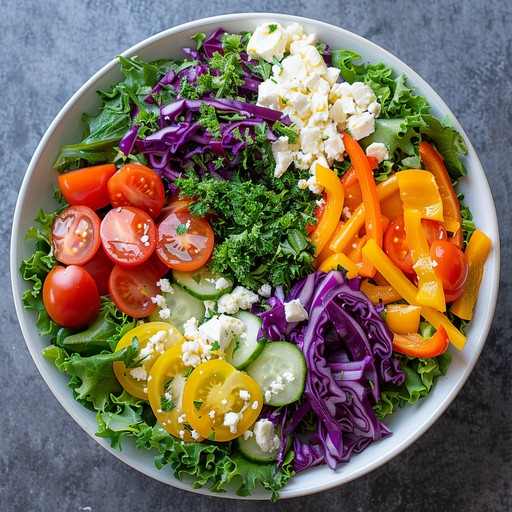
Leafy greens, cruciferous broccoli, roasted asparagus, bell peppers, carrots, and seasonal vegetables delivering micronutrients, electrolytes, and gut-protective prebiotics.
25% Clean Protein
Wild salmon, free-range eggs, lentils, chickpeas, organic tofu, or pasture-raised poultry to stabilize satiety hormones and sustain muscle repair.
25% Slow Carbs
Sweet potatoes, quinoa, brown rice, steel-cut oats, and whole legumes to support glycogen restoration without glycemic crashes.
Explore Nutrient Foundations
Click each category below to review biological function, recommended whole food sources, and ideal daily portion targets.
Vegetables & Leafy Greens
Rich in polyphenols, bioflavonoids, and soluble fiber. They buffer inflammatory markers and provide raw nourishment for beneficial gut microflora.
Bioavailable Clean Proteins
Essential amino acids required for neurotransmitter synthesis, immune defenses, enzymatic activity, and muscle structure maintenance.
Unrefined Complex Carbohydrates
Slowly digested carbohydrate chains bound with intact grain bran that fuel cognitive performance and sustained thyroid energy output.
Cellular Essential Lipids
Lipids support cellular membranes, promote the absorption of vitamins A, D, E, and K, and provide foundational precursors for hormonal regulation.
The Four-Step Nourishment Sequence
How to organize your week to ensure healthy, balanced meals remain effortless and stress-free.
Plan the Palette
Select 3 base vegetables, 2 primary proteins, and 2 complex grains for the upcoming week. This simplifies purchasing and prevents refrigerator waste.
Source Unprocessed
Focus grocery shopping primarily around the fresh perimeter of the market: vibrant seasonal produce, refrigerated clean proteins, and dry bulk grains.
Batch Component Prep
Dedicate 60 minutes on Sunday to roast root vegetables, simmer a pot of quinoa, wash crisp greens, and whisk two healthy homemade dressings.
Assemble & Savor
Assemble meals in 5 minutes by combining prepared components with fresh herbs and olive oil. Eat slowly without screens to encourage optimal digestion.
Everyday Nutrition Checklist
Integrate these four foundational nutritional checkpoints into your daily routine to cultivate positive metabolic momentum.
-
Color Variety on Every PlateInclude at least three distinct natural colors in each main meal for diverse phytonutrient intake.
-
Water Separation from Large MealsConsume large amounts of fluids 30 minutes before or after meals to preserve stomach digestive enzyme concentrations.
-
Minimally Processed Sweets & SnacksReplace refined sugar snacks with whole berries, raw almonds, dark cacao, or crisp apple slices.
-
Deliberate Chewing & PacingTake 20 minutes to finish each meal, chew thoroughly, and pause between bites to allow natural satiety cues to register.
Hydration Timing
Start your morning with mineral-rich water before your first warm beverage to reactivate metabolic pathways.
Gentle Cooking Methods
Steam, poach, or lightly saute vegetables rather than deep frying to protect heat-sensitive vitamins and antioxidants.
Salt Quality Matters
Opt for unrefined mineral sea salt or Himalayan pink crystals that retain trace minerals rather than stripped table salt.
Download the Balanced Meal Blueprint
Get our printable 7-day whole food meal prep template, shopping checklist, and 12 quick seasonal assembly formulas.